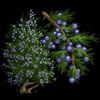
Juniper Trees
Juniper berries are valued by tea producers, potion makers and people producing bath additives.
| Overview of the trees that grow in the Inn-Between |
|
|
Juniper Trees Juniper berries are valued by tea producers, potion makers and people producing bath additives. |
|
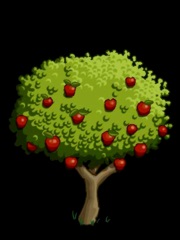
Apple Trees Apple trees grow wild and in orchards. Apples can be sold to the kitchens and the stables. The distillery may also buy them. |

|
Cider Apple
|

|
Apricot Trees Apricot trees grow wild and in orchards. Apricots can be sold to the kitchens. |
|
|
Bitter Orange Tree . |
|
|
Bird Cherry Trees A wild cherry variety. Fruits can be sold to the kitchens. |
|
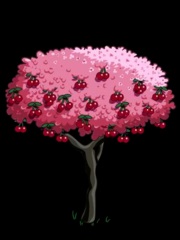 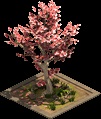
|
Cherry Trees Cherry trees grow wild and in orchards. Cherries can be sold to the kitchens. |
|
|
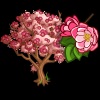
Kwanzan Cherry . |
|
|
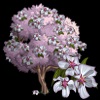
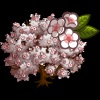
Sargent's Cherry . |
|
|
Yoshino Cherry . |
|
|
Cherry Plum Trees Cherry plum trees only grow wild and in orchards. The fruit can still be sold to the kitchens. |
|

|
Chinese Hackberry |
|
|
Crab Apple Trees Crab apple trees only grow wild. In fact, this is the wild version of apples. The apples can still be sold to the kitchens. |
|
|
Crab Apple, Japanese . |
|
|
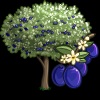
Damson Trees Damson trees grow wild and in orchards. Damsons are similar to plums and can be sold to the kitchens. |
|
|
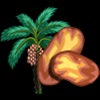
Date Trees |
|
|
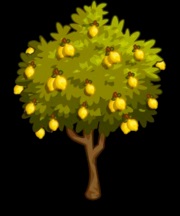
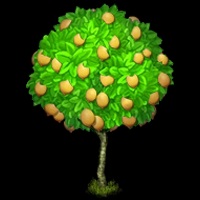
Lemon Trees Lemon trees grow wild and in orchards. Lemons can be sold to the kitchens. |
|
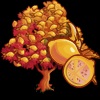
|
Giant Pink Lemon Tree . |
|

|
Lychee Trees Lychee trees grow wild and in orchards. Lychees can be sold to the kitchens. |
|
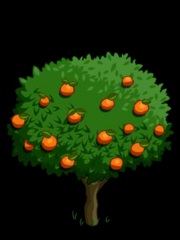
|
Orange Trees Orange trees grow wild and in orchards. The fruit can be sold to the kitchens. |
|
|
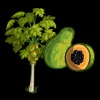
Papaya Trees |
|
|
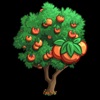
Gold Peach Tree . |
|
|
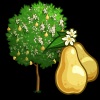
Pear, European European pear trees grow wild and in orchards. The fruit can be sold to the kitchens. |
|

|
Pear, Evergreen . |
|

|
Plum Trees Plum trees grow wild and in orchards. The fruit can be sold to the kitchens. |
|
|
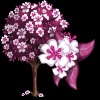
Cistena Plum Tree . |
|
|
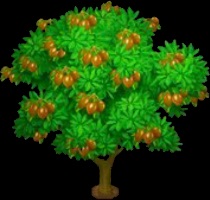
Shea Trees Shea trees wild. The fruit is mostly bought by potion-makers, soap-makers and cosmetics producers. |
|
|
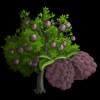
Sugar Apple Trees |
|

|
Tachibana Tree . |
|
|
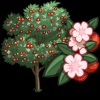
Wild Cherry Trees A wild cherry variety. Fruits can be sold to the kitchens. |
|
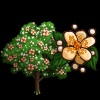
Candle Nut Trees. |
|
|
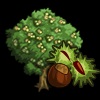
Chestnut Chestnut trees bear fruit in fall. Chestnuts can be collected and sold to the kitchen, the stables and various crafts operations. |
|
|
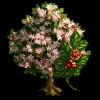
Chestnut, Chinese . |
|
|
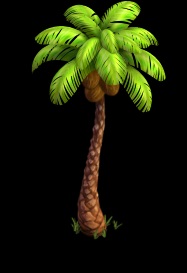
Coconut Coconut trees bear coconuts, which have multiple uses. Coconuts can be collected and sold to the kitchen. |
|
|
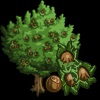
Hazelnut Hazelnut trees bear fruit in fall. Hazelnuts can be collected and sold to the kitchen. |
|

|
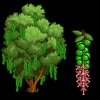
Kamani Nut Trees. |
|
|
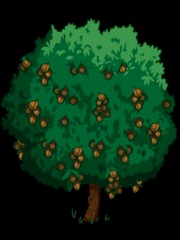
Macadamia Trees. |
|
|
Walnut Walnut trees bear fruit in fall. The nuts can be collected and sold to the kitchen. |
|
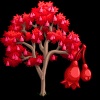
Australian Flame Tree . |
|
|
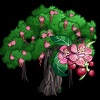
Banyan Trees |
|
|
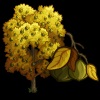
Bitternut Hickory Trees Trees. |
|
|
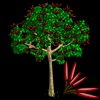
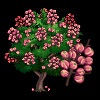
Cecropia Trees |
|
|
Chinese Rain . |
|

|
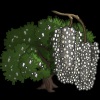
Cinnamon Trees The bark of cinnamon trees is used to produce the spice cinnamon. It can be sold to the spice maker. |
|
|
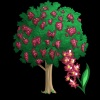
Crack Willow Trees Crack willow trees are ornamental only. |
|
|
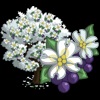
Deep Yellow Wood Tree . |
|
|
Dogwood Trees Dogwood is usually used for wood production. Don't try to randomly cut one down. If you want to participate in wood harvesting, contact the sawmill about an opening. |
|

|
Dove Tree . |
|
|
Downy Birch Trees Birch trees are found in the wild. They can be harvested for teas and potions. The bark is valued by some craftspeople |
|
|
Eastern Red Cedar Trees Trees. |
|
|
English Elm Trees English Elm can be used for wood production. Don't try to randomly cut one down. If you want to participate in wood harvesting, contact the sawmill about an opening. The bark, flowers, leaves and fruits can be sold to potionmakers. |
|

|
Eukalyptus Tree . |
|

|
European Beech Trees Beech trees are found in the wild. They can be harvested for teas and potions. |
|
|
Hawthorn Trees Used in the kitchen, for medicines, teas and potions. Suitable for use as bonsai trees. |
|
|
Japanese Angelica Tree . |
|
|
Japanese Snowball Tree . |
|
|
Kou Trees |
|

|
Larch, Golden . |
|
|
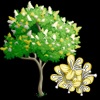
Lilac, Japanese . |
|

|
Lombardy Poplar Trees Trees. |
|

|
Magnolia, Oyama . |
|
|
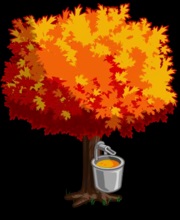
Maple Trees Maple syrup can be sold to the kitchen. |
|

|
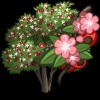
Maple, Giant Gingko . |
|
|
Midland Hawthorn Trees Ornamental. |
|

|
Mulberry, Chinese . |
|

|
Mulberry, White . |
|
|
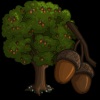
Oak Trees Produces great wood. |
|
|
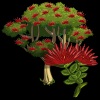
Ohia Trees |
|
|
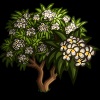
Plumeria Trees |
|
|
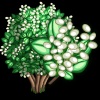
Privet, Japanese . |
|
|
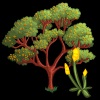
Red Mulga Tree . |
|
|
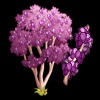
Redbud, Chinese . |
|
|
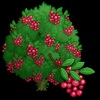
Riberry Tree . |
|
|
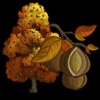
Shagbark Hickory Trees Trees. |
|
|
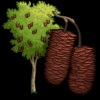
Silver Birch Trees Birch trees are found in the wild. They can be harvested for teas and potions. The bark is valued by some craftspeople |
|

|
Speckled Ash Trees Trees. |
|
|
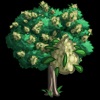
Sweet Osmanthus . |
|
|
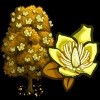
Tulip Poplar Trees Trees. |
|
|
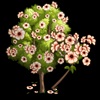
Tung Oil . |
|
|
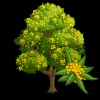
Water Gum Tree . |
|
|
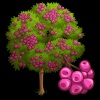
Weeping Lilly Pilly Tree . |
|
|
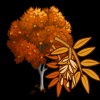
White Ash Trees Trees. |
|
|
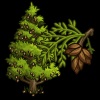
White Cedar Trees Trees. |
|
|
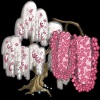
White Willow Trees These are the willow trees that can be harvested for use in potions and teas. |
|
|
Wych-Elm Trees Wych-elms can be used for wood production. Don't try to randomly cut one down. If you want to participate in wood harvesting, contact the sawmill about an opening. The bark, flowers, leaves and fruits can be sold to potionmakers. |
|
|
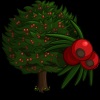
Yew Trees Used for wood, medicines, teas, potions and much more. |